Caring for Hairless Dogs: A Comprehensive Guide
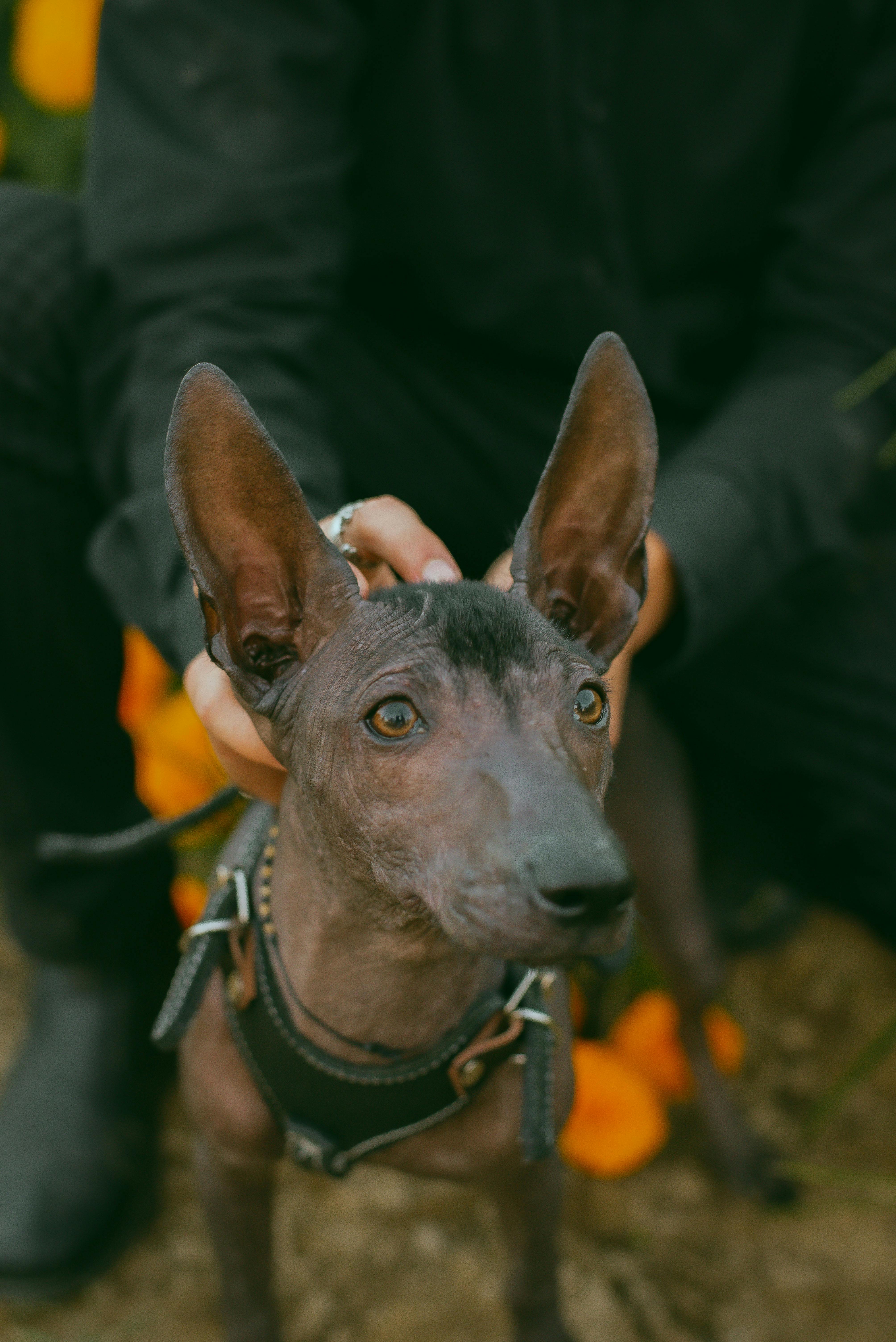
Caring for Hairless dogs: A Comprehensive Guide
Hairless dogs, with their unique appearance and charming personalities, are beloved by many pet owners. However, lacking fur brings a set of specific care requirements that are essential for maintaining their health and happiness. In this guide, we will explore the nuances of caring for a hairless dog, ensuring you're equipped with all the necessary knowledge to provide the best care for your furry friend.
Understanding the Basics
Hairless dogs such as the Xoloitzcuintli, Chinese Crested, and American Hairless Terrier, are not truly without hair but have very short and fine hair on their bodies. This lack of protective fur makes them particularly vulnerable to environmental factors. Care for these dogs begins with an understanding of their unique physical needs.
Skin Care Essentials
Moisturizing: One of the primary concerns in managing the care of a hairless dog is maintaining the health of their skin. Regular moisturizing is crucial to prevent dryness and irritation. Use a hypoallergenic and fragrance-free moisturizer suited for sensitive skin. Consult your veterinarian for product recommendations that are safe for your pet.
Cleaning: Hairless dogs require regular bathing to remove dirt and prevent buildup of oils that can cause skin problems. It's important, however, not to over-bathe your pet as this can strip their skin of natural oils. Typically, bathing once a week is sufficient.
Sun Protection: Without fur, hairless dogs are at a high risk of sunburn. Applying a pet-safe sunscreen before going outdoors is vital. Choose a broad-spectrum sunscreen specifically designed for pets and reapply it according to the instructions, especially if your pet loves sunbathing or spends a lot of time outdoors.
Diet and Health
A well-balanced diet is essential for maintaining the skin's health. Look for dog foods that are rich in essential fatty acids and vitamins that promote skin health. Supplements like fish oil can also be beneficial but talk to your vet before starting any new supplements.
Regular vet check-ups are crucial to ensure your hairless dog isn’t developing skin infections or other related health issues. Monitoring for signs of distress or discomfort in their skin can help catch potential problems early.
Clothing and Comfort
Despite their lack of fur, hairless dogs can easily get cold. Keeping your pet warm with clothing is not only a fashion statement but a health necessity in colder climates. Sweaters, coats, and booties can help protect them from the cold and from rough surfaces.
At home, ensure that your dog has a warm place to sleep. A cozy bed with blankets that they can burrow into is ideal.
Behavioral Considerations
Hairless dogs often enjoy a lot of physical contact and can be quite cuddly. This might be partly because they seek warmth but also because they crave affection. Regular cuddling and petting can help strengthen the bond between you and your pet.
They might also be more sensitive to handling due to their exposed skin. It's important to be gentle and considerate during play and while dressing them in any apparel.
In conclusion, hairless dogs require a bit more attention compared to their furry counterparts, but with proper care, they can lead a happy, healthy life. Embracing their special needs will ensure that these unique and lovable pets thrive under your care.