Ensuring Adequate Hiding Places for Your Pet
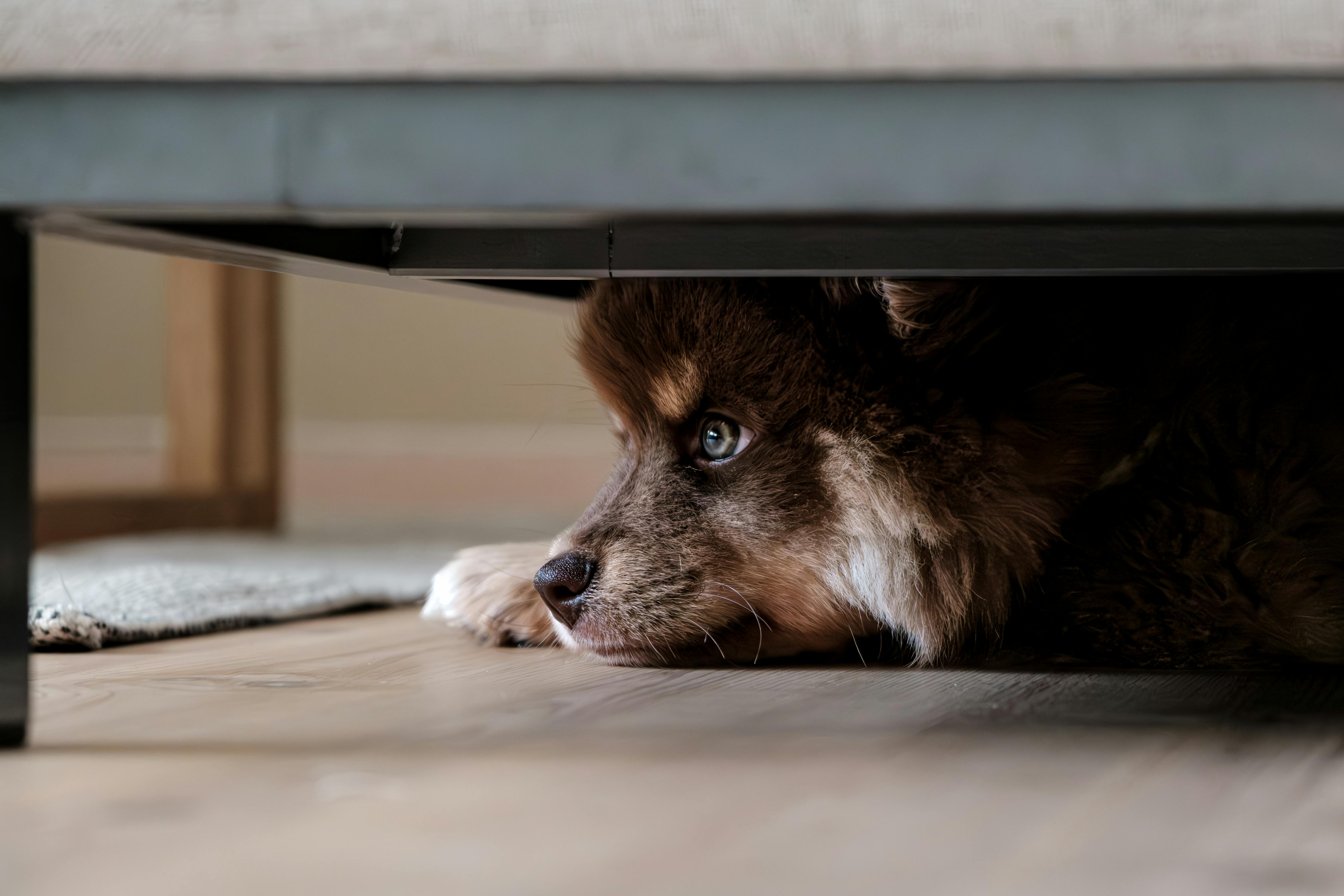
Ensuring Adequate Hiding Places for Your Pet
For many pet owners, understanding the needs of their animals extends beyond food and exercise; it includes providing a secure and comfortable environment. One of the crucial aspects of such an environment is the availability of adequate hiding spots. These spaces are essential for the well-being and stress management of various pets, from cats and dogs to reptiles and small mammals.
Why Hiding Places Matter
Hiding spots are vital for pets for several reasons. Primarily, they offer a retreat where animals can feel safe and secure when they are stressed or scared. For prey animals like rabbits and hamsters, these places mimic their natural conditions, where a quick escape to a hidden nook can mean survival. For cats and dogs, these areas provide a quiet place away from household noise and activity.
How to Create Effective Hiding Places
1. Consider the Animal’s Size and Preferences
Creating a hiding spot starts with considering the specific needs of your pet. Larger pets will require more spacious hiding areas. Observe where your pet prefers to hide and try to mimic these types of environments. Cats, for instance, often prefer high locations, while dogs might opt for darker, more enclosed spaces.
2. Use Appropriate Materials
It’s important to use safe, non-toxic materials for creating hiding spots. For small animals, avoid anything with sharp edges or small parts that could be chewed off and swallowed. Soft materials like fleece for small pets or a comfortable bed inside a covered crate for dogs can make an ideal hiding spot.
3. Incorporate Nature
For reptiles and other pets that are used to more natural habitats, incorporating elements from their natural environment can be very beneficial. This includes logs, foliage, and even substrates that mimic their natural ground. Make sure all natural elements are thoroughly cleaned and safe for indoor use.
Tips for Maintaining Hiding Places
Maintaining the hiding places is just as important as setting them up. Clean these areas regularly to avoid the accumulation of dirt and pests, which can cause health problems. Additionally, check the integrity of the hiding spots often to ensure they remain secure and stable.
Conclusion
Hiding places are not just an additional comfort for pets; they are a fundamental part of their environment that aids in stress reduction and overall health. Whether your pet is a furry friend, a scaly pal, or a feathered companion, ensuring they have a suitable place to retreat when needed is a crucial aspect of compassionate pet care.