Ensuring Your Garden is Secure for Your Dog: Tips & Strategies
Ensuring Your Garden is Secure for Your Dog: Tips & Strategies
For dog owners, ensuring that your garden is escape-proof is not just about keeping your dog safely within your property but also about keeping them safe from any potential dangers outside the safety of your home. In this blog post, we delve into various methods and strategies to secure your garden effectively, so your furry friend doesn't stray too far from home.
Understand Your Dog’s Behavior
Before you start fortifying your garden, it’s crucial to understand why your dog might want to escape. dogs may try to get out for reasons such as boredom, seeing other animals, needing more exercise, or even anxiety. Understanding these triggers can help you tailor your approach in making your garden more secure and enriching for your pet.
Choose the Right Type of Fencing
One of the primary methods of securing your garden is through proper fencing. Consider the height and durability of the fence based on your dog's size and agility. A fence that is too low may invite jumpers or climbers to escape, while a fence that is too weak may not stand a chance against a strong, determined dog. Materials like solid wood, vinyl, or metal can offer robust barriers.
Digging Deterrents
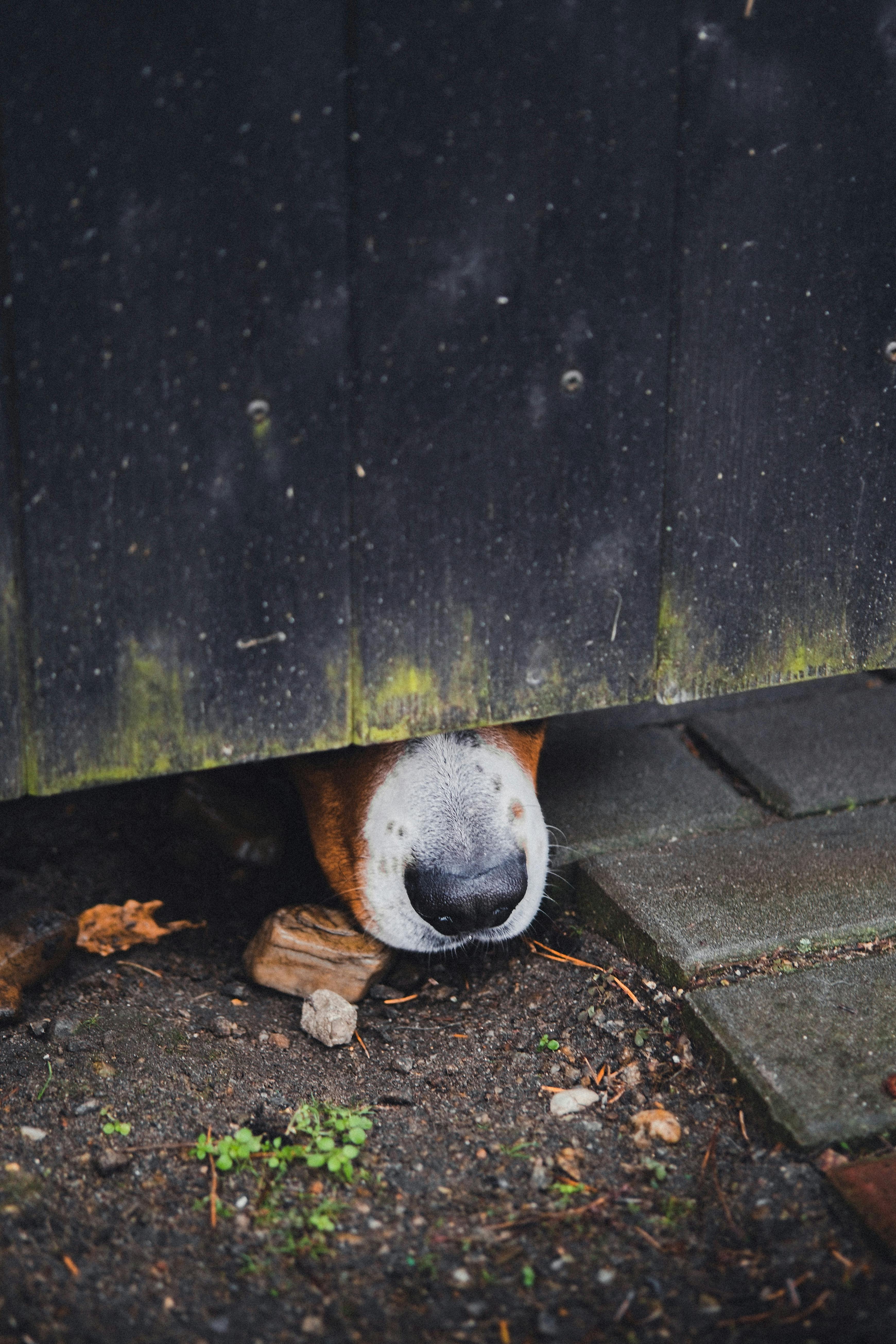
For dogs that like to dig, reinforce the base of your fence with concrete footings or buried chicken wire that can discourage digging. Adding dense plantings along the fence line can also act as a natural barrier.
Double Gate System
Implement a double gate system—one gate to enter the garden and another as an additional barrier. This adds an extra layer of security to prevent your dog from darting out as soon as the gate is opened.
Visibility & Supervision
Ensure you can always see your garden by potentially setting up designated areas from where you can easily supervise your dog. Keep your garden layout open where possible, reducing blind spots where your dog could attempt to escape unnoticed.
Making the Garden Entertaining
Make your garden a pleasant and stimulating environment for your dog. Add toys, agility equipment, or interactive features like splash pads or digging boxes to keep them occupied. A dog that is mentally and physically stimulated is less likely to look for escapades.
Regular Checks and Maintenance
Regularly inspect your fence and garden for any potential escape points. Look for gaps, loose boards, or areas under repair. Also, check that your gates are always securely locked and that the locking mechanisms are functioning properly.
Training and Behavioral Adjustments
Train your dog to understand the boundaries of your garden. Use commands such as 'stay' and 'come' to reinforce these boundaries. Additionally, consider investing in behavioural training if your dog consistently attempts to escape, as this could be indicative of deeper issues such as separation anxiety.
Conclusion
Securing your garden for your dog involves a combination of physical barriers, vigilant supervision, and behavioural management. By understanding the needs and tendencies of your canine companion, you can create a safe and enjoyable environment that curtails the desire to escape and keeps your beloved pet safely within your loving gaze.