Ensuring Your Pet Has Ample Hiding Spots
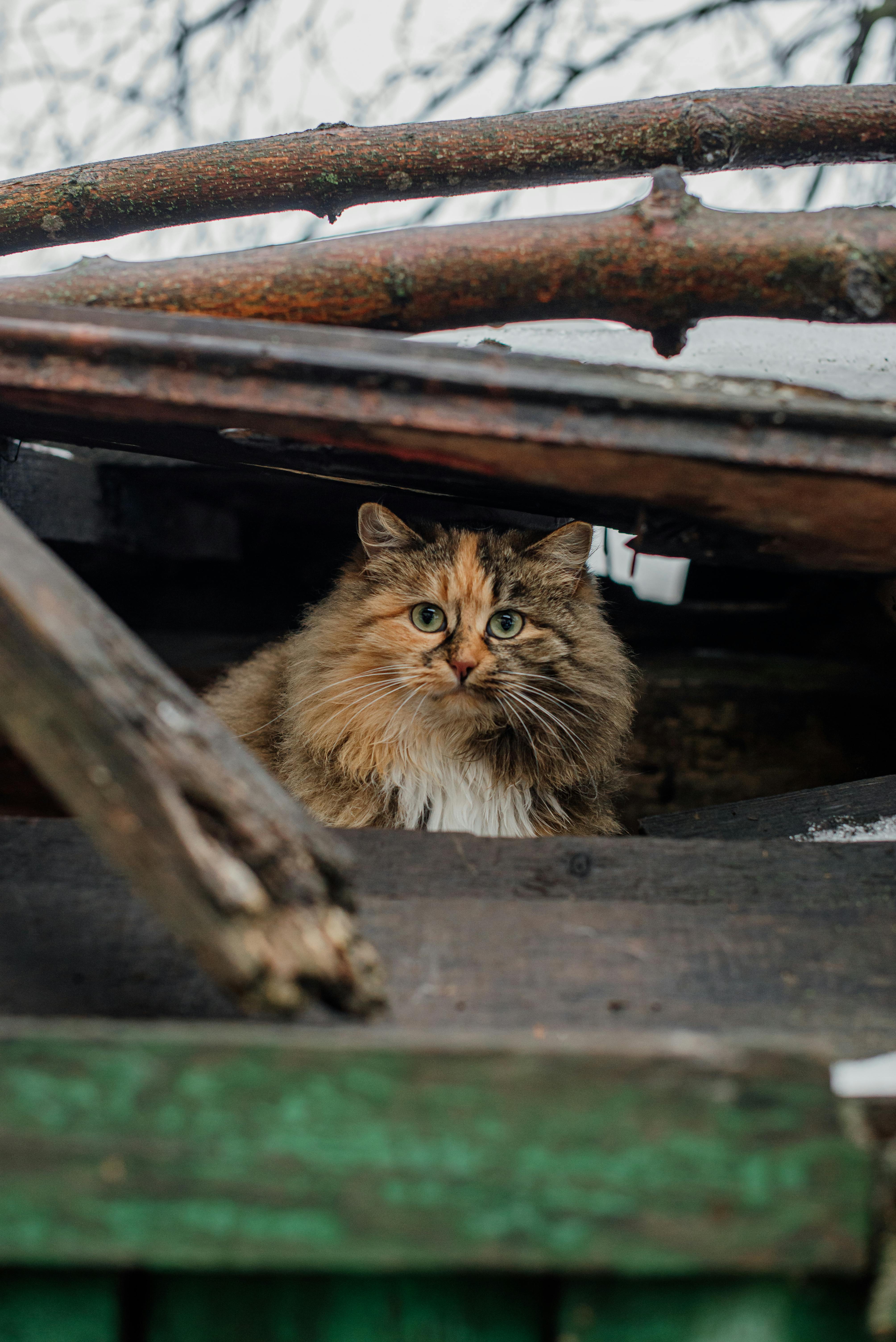
Ensuring Your Pet Has Ample Hiding Spots
Creating a comfortable and safe environment for our pets is crucial to their health and well-being. One often overlooked aspect of pet care is providing adequate hiding spaces where pets can retreat, feel secure, and manage stress. Both small and large animals can benefit from such environments, from hamsters and rabbits to cats and dogs. This post explores the importance of hiding spots and offers practical tips on how to incorporate them effectively in your home.
Why Are Hiding Spots Important?
Pets, much like people, occasionally need a break from the hustle and bustle of daily life. Hiding spots can significantly reduce stress and anxiety by offering a safe zone where pets can withdraw when feeling overwhelmed or scared. For prey animals like small rodents, hiding spots are essential for survival instincts, while cats enjoy them for both relaxation and play. Even dogs, who are generally more sociable, may appreciate a quiet nook to retreat to after a bustling day of activity and social interaction.
Choosing the Right Hiding Spots
The right hiding spot depends largely on your pet’s size, species, and preferences. Here are some ideas tailored to various types of pets:
- Small animals: Provide boxes, tunnels, and enclosed beds. Hamsters, for instance, appreciate burrowing opportunities in bedding materials, while rabbits benefit from larger boxes they can jump into.
- Cats: Cats often seek elevated spots, so consider installing shelves or purchasing cat trees. Cardboard boxes, drawer-pulled slightly open, or even a simple paper bag can also serve as excellent hiding places.
- Dogs: A cozy dog bed in a quiet corner, a crate with comfortable bedding, or even a tent can provide a great retreat for dogs. Ensure these spots are easily accessible and kept away from high-traffic areas to maintain serenity.
Making the Most of Hiding Spots
To effectively utilize hiding spots, consider the following tips:
- Place hiding spots in quiet areas away from the main flow of home traffic. This separation helps pets feel they are truly retreating to a tranquil space.
- Encourage use of these new spots by placing treats or favourite toys nearby to make these areas more appealing.
- Ensure the hiding spots are safe and free of any potential hazards or stressful stimuli. This means avoiding placement near loud appliances or areas with heavy foot traffic.
- Regularly switch up the hiding places to stimulate your pet’s interest and adapt to their changing preferences.
Observing Your Pet’s Behaviour
Observing how your pet interacts with the provided hiding spaces can give valuable insights into their preferences and stress levels. Some pets may prefer more open hiding spots, while others seek tighter, more enclosed spaces. Adjust these environments according to your pet’s behaviour and feedback.
Providing proper hiding spots in your home is a simple but effective way to enhance your pet’s life, offering them a sense of safety and comfort. It reflects a thoughtful approach to pet care, demonstrating understanding and compassion towards the complex needs of the animals we love.