Guide to Grooming Your Pet’s Claws and Teeth
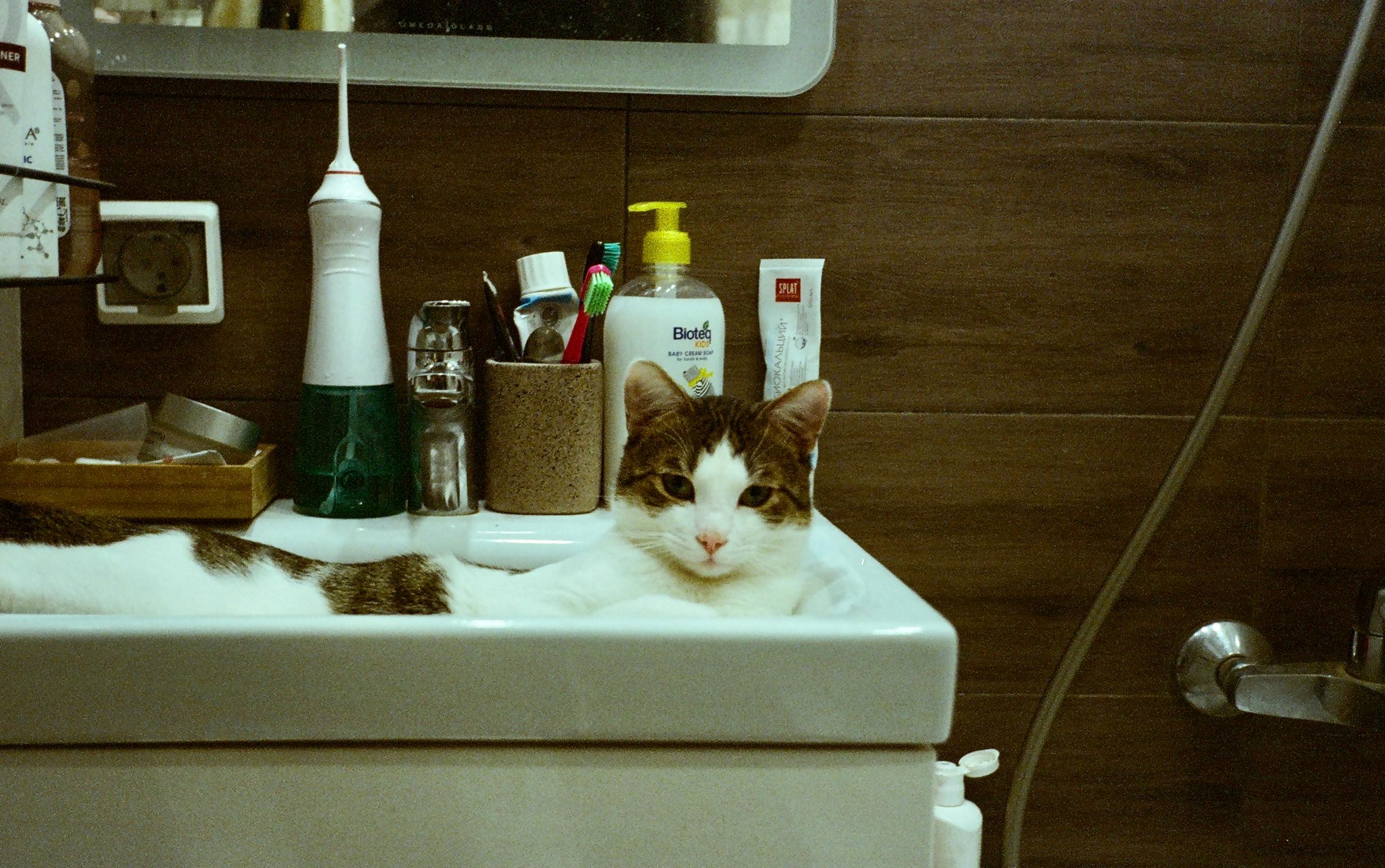
Guide to Grooming Your Pet’s Claws and Teeth
Maintaining the health of your pet’s claws and teeth is crucial for their overall well-being. Regular grooming doesn't just help your pet look their best—it also significantly contributes to their physical and mental health. In this detailed guide, you'll learn the essentials about caring for your furry friend’s claws and teeth, ensuring they remain happy and healthy.
Importance of Claw Care
Just like humans need to trim their nails, pets also require regular claw maintenance. Untrimmed claws can cause a variety of problems for a pet. Long claws can curl and grow into the paw pads, leading to pain, infection, or even hinder their ability to walk properly. Additionally, such nails are more prone to splitting or breaking, which can be equally painful and problematic.
How to Trim Your Pet’s Claws
To start, ensure you have a proper pet nail clipper. These are usually designed to comfortably cut through a pet’s nails without cracking them. Find a quiet area and gently hold your pet’s paw. Provide brief reassurances as you press gently to extend the claw. Trim only the tip of the nail, avoiding the ‘quick,’ a vein that runs into the nail. Cutting the quick can cause pain and bleeding. If you can't see the quick, trim just a small amount at a time.
Handling Nervous Pets
If your pet is anxious about nail cutting, slowly desensitize them to the process. Begin by touching their paws more frequently during relaxed moments. Reward calm behavior with treats and petting to create a positive association with the activity.
Caring for Your Pet’s Teeth
Oral hygiene is equally vital for pets, as it is for humans. Poor dental care can lead to diseases, bad breath, painful chewing, and tooth loss. These issues can make eating difficult, which can significantly affect their health.
Regular Teeth Cleaning
Brushing your pet’s teeth might seem daunting, but it’s important for preventing dental disease. Start by choosing pet-safe toothpaste since human toothpaste can be toxic to animals. Use a finger brush or a pet toothbrush to gently clean the teeth in a circular motion. Focus on the outsides of the teeth primarily, as most pets are not accustomed to having the insides of their teeth brushed.
Professional Veterinary Cleaning
Consider a professional dental clean from your veterinarian at least once a year. Veterinary dentists can perform deep cleans under anesthesia, allowing them to thoroughly clean the teeth, including areas that are typically troublesome to reach.
Conclusion
Maintaining your pet’s claws and teeth through regular grooming practices is vital for their health and quality of life. With patience and consistency, you can help your pet adapt to these grooming routines, which not only contributes to their physical wellness but also strengthens your bond with them.