How to Care for a Shrimp Community in an Aquarium
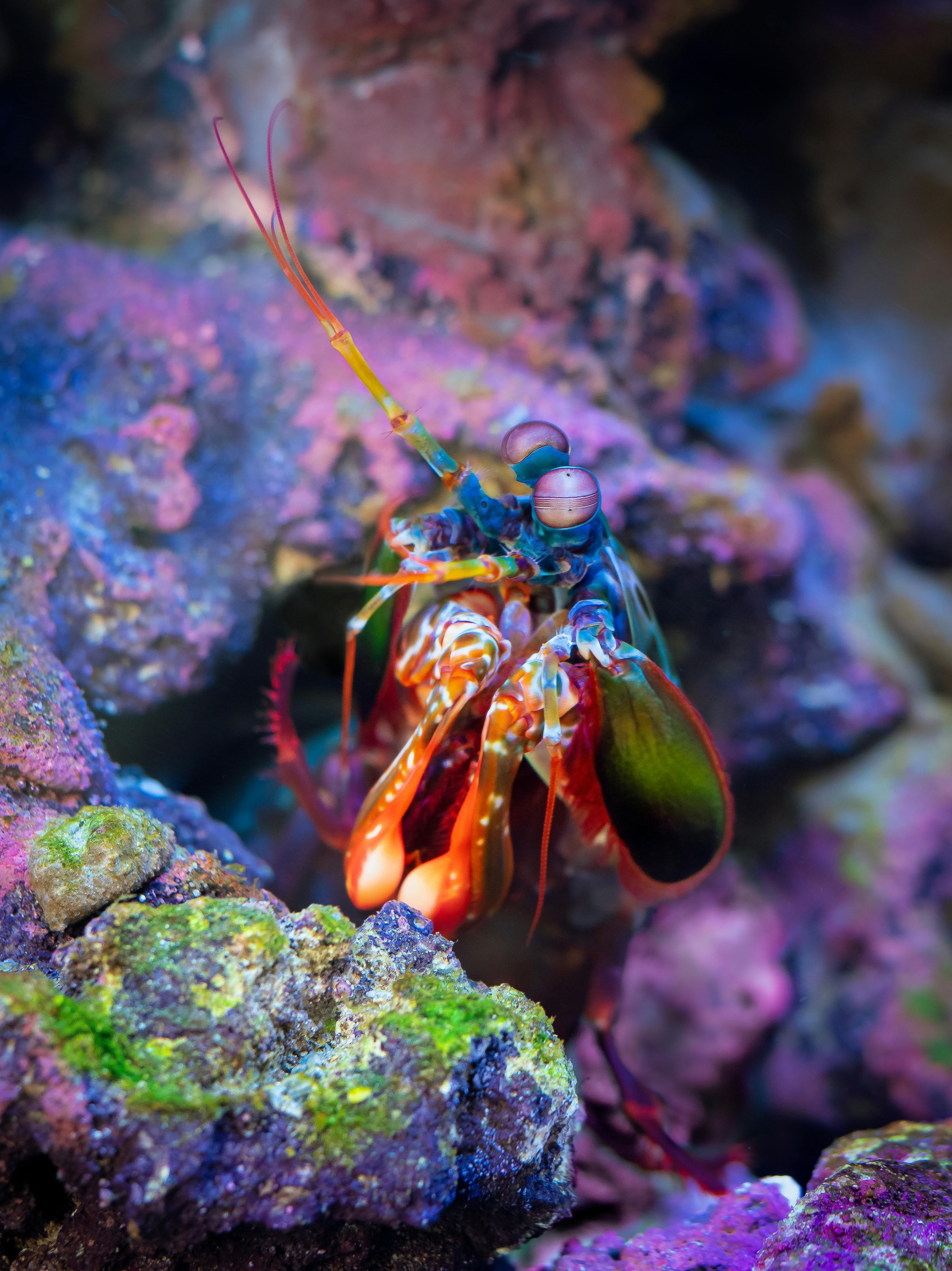
How to Care for a Shrimp Community in an Aquarium
Keeping a shrimp community in your aquarium not only adds vibrancy and color but also offers a unique insight into the fascinating behavior of these small, but intricate creatures. Shrimp can be rewarding pets when their specific needs are met. From setting up the right environment to maintaining proper water quality, let's explore how to create and care for a thriving shrimp community.
Setting Up the Aquarium
First things first, choosing the right aquarium is crucial for your shrimp's health and happiness. A smaller tank, around 10-20 liters, is typically sufficient for a modest shrimp community. It’s essential to include plenty of hiding places, such as live plants, rocks, and substrate, which not only replicate their natural habitat but also help in maintaining water quality. Plants like Java moss or Anubias provide excellent cover and are easy to maintain.
Choosing the Right Shrimp Species
There are several species of freshwater shrimp available. Popular choices include the Cherry Shrimp, Ghost Shrimp, and Amano Shrimp. Each species has different care requirements and temperament, so it's crucial to choose a species well-suited to your tank conditions and fellow tank mates if any. Mixing different species of shrimp can be done, but it requires careful consideration of their environmental and dietary needs.
Water Conditions and Maintenance
Maintaining ideal water conditions is paramount. Shrimp are particularly sensitive to changes in water quality. The ideal temperature for most freshwater shrimp is between 22°C and 28°C, with a pH level of 6.5 to 7.5. Regular water changes (about 10-25% weekly) are recommended to keep the water parameters stable. It's also advisable to invest in a good filtration system to keep the water clean without creating too much current, which can stress the shrimp.
Feeding Your Shrimp
Feeding your shrimp the right diet is essential for their health. Shrimp generally feed on biofilm, algae, and decaying plant matter, but in a tank setting, these might not be enough. Supplement their diet with specialized shrimp pellets or flakes, blanched vegetables like zucchini and carrots, and occasionally, bloodworms or brine shrimp for protein. Be careful not to overfeed as uneaten food can decompose and deteriorate the water quality.
Common Health Concerns and Solutions
Like any aquarium pet, shrimp are susceptible to health issues, mainly due to poor water conditions. Signs of distress include lethargy, lack of appetite, and unusual molting. If you notice these signs, check your water quality first and adjust as necessary. Adding a bit of aquarium salt can sometimes help, especially if bacterial infections are suspected.
Breeding Shrimp
Breeding shrimp can be a delightful experience. Most shrimp species breed easily if the conditions are right, with females carrying dozens of eggs under their tails for about 30 days before hatching. Providing a stress-free environment with plenty of food and pristine water conditions are crucial for successful breeding.
With the proper setup, care, and maintenance, your shrimp community can thrive, providing hours of enjoyment and a beautiful addition to your living space. It’s not just about keeping these creatures alive but allowing them to flourish and display their natural behaviors in a healthy aquarium.