How to Care for Your Pet's Paws: A Complete Guide
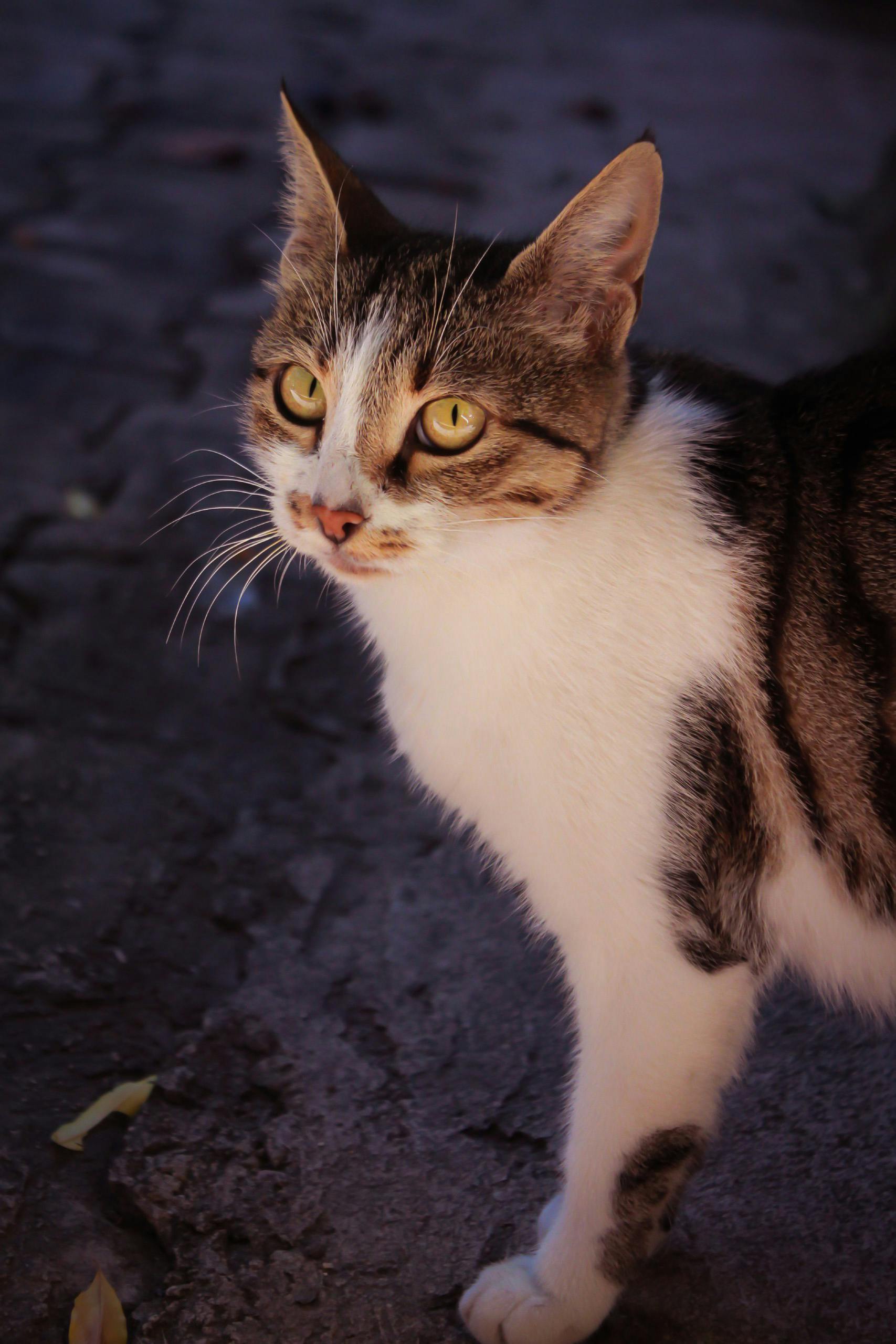
How to Care for Your Pet's Paws: A Complete Guide
Caring for your pet's paws is crucial for their comfort and overall health, yet it's often overlooked by many pet owners. This guide will walk you through the essential steps and tips to ensure your pet's paws remain healthy and well-maintained.
Regular Paw Inspections
Regular inspections are key to maintaining healthy paws. Check your pet’s paws daily for any signs of injury, such as cuts, thorns, or pebbles stuck between the pads. Look for swelling, redness, or a bad odor, which could indicate an infection. During winter, be wary of ice and de-icing chemicals that can accumulate between the toes, and in summer, check for burns from hot pavements.
Cleaning and Care
Regular cleaning helps prevent build-up of dirt and debris that could lead to infections. Wash your pet’s paws with mild soap and warm water after walks, especially if they have stepped on potentially harmful substances. Be gentle as you clean between the toes and around the paw pads. After washing, dry the paws thoroughly to prevent irritation.
Moisturizing
Unlike human skin, the pads on your pet’s paws can become very dry and cracked if not properly moisturized. Use a pet-safe paw balm or moisturizer to hydrate the pads and keep them supple. Avoid using human moisturizers as they may contain harmful chemicals for pets.
Nail Trimming
Keeping your pet's nails trimmed is essential for the health of their paws. Overgrown nails can cause your pet discomfort or lead to abnormal walking patterns and even arthritis. If you’re unsure about how to trim nails correctly, consult a veterinarian or a professional groomer.
Protection Against the Elements
In extreme weather conditions, consider using paw protectors like booties. These not only help shield the paws from hot pavements and icy paths but also from the harmful effects of salt and chemical de-icers used during winter. Introduce boots to your pet gradually to allow them to adjust to wearing them.
Attention to Flooring
Indoors, your pet's paws can also be at risk. Slippery floors can cause your pet to slip and injure their paws or legs. Placing rugs or mats on slippery surfaces can help prevent accidents. Make sure your pet has a comfortable resting area that doesn’t force them to constantly sit on a hard surface, leading to calluses or sore pressure points.
Professional Care
If you notice any persistent issues or are unsure about how to properly care for your pet’s paws, seek advice from a veterinarian. Regular check-ups can help diagnose and treat paw-related issues before they become serious, ensuring your pet remains happy, healthy, and mobile.