How to Make Homemade Horse Feed
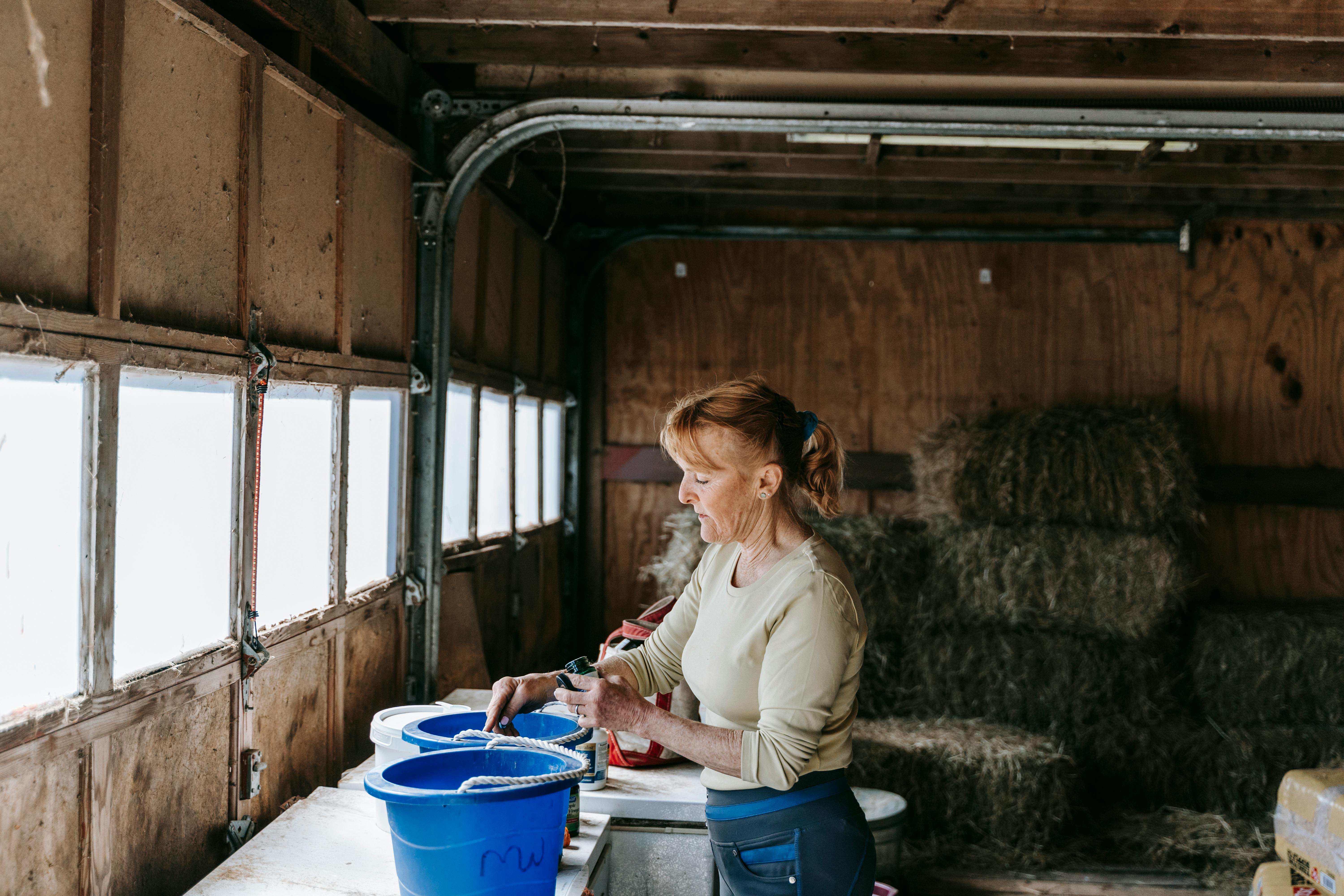
How to Make Homemade Horse Feed
Making your own horse feed can not only be a fulfilling activity but also a great way to ensure your horse is getting fresh, nutritious, and well-balanced meals tailored to their specific needs. By preparing homemade horse feed, you have the control over the ingredients and can adjust quantities to suit your horse's health, age, weight, and workload.
Understanding Your Horse's Nutritional Requirements
Before diving into the world of homemade horse feed, it's crucial to understand the nutritional needs of your horse. Generally, a horse's diet should be rich in fiber and include adequate protein, vitamins, and minerals. The exact requirements can vary based on the horse's age, weight, activity level, and overall health.
Ingredients for a Basic Homemade Horse Feed
To get started, here are some common ingredients that are safe and beneficial for horses:
- Oats: High in fiber and energy, oats are a traditional mainstay in horse feed.
- Barley: Often crushed or rolled, barley is another excellent source of energy.
- Beet pulp: A great source of fiber and a good energy supplement, beet pulp must be soaked before being fed to horses to prevent choking.
- Linseed: Provides essential fatty acids and can help in maintaining a shiny coat.
- Chaff: Chopped straw or hay helps add bulk to the feed and promotes digestion.
- Salt and minerals: Essential for maintaining electrolyte balance and overall health. You can get pre-mixed mineral supplements tailored for horses.
Step-by-Step Guide to Making Your Horse Feed
1. Determining the Right Mix
Based on your horse's needs, determine the proportions of each ingredient. Consulting with a vet or an equine nutritionist can provide guidance tailored to your horse.
2. Mixing Ingredients
Use a large, clean container to mix your ingredients thoroughly. Ensure that all grains or agents like beet pulp are well soaked and softened to prevent any digestive issues.
3. Adding Supplements
Once the base of your feed is ready, consider adding supplements such as vitamins, minerals, or specialized equine products to ensure a balanced diet.
4. Feeding Your Horse
Introduce your homemade feed gradually into your horse's diet. Start by mixing it with the feed they are already accustomed to and slowly increase the proportion of homemade feed over time.
Tips for Storing Homemade Horse Feed
Proper storage is key to maintaining the freshness and nutritional value of homemade horse feed. Store your feed in a cool, dry place and use clean, airtight containers to prevent contamination and deter pests.
Final Thoughts
Making your own horse feed is a great way to ensure that your horse receives a fresh, economical, and balanced diet that promotes their health and well-being. Always consult with a professional to tailor the feed to your horse's specific needs and remember to transition slowly to allow your horse's digestive system to adjust.