How to Teach Your Dog to Use a Dog Whistle
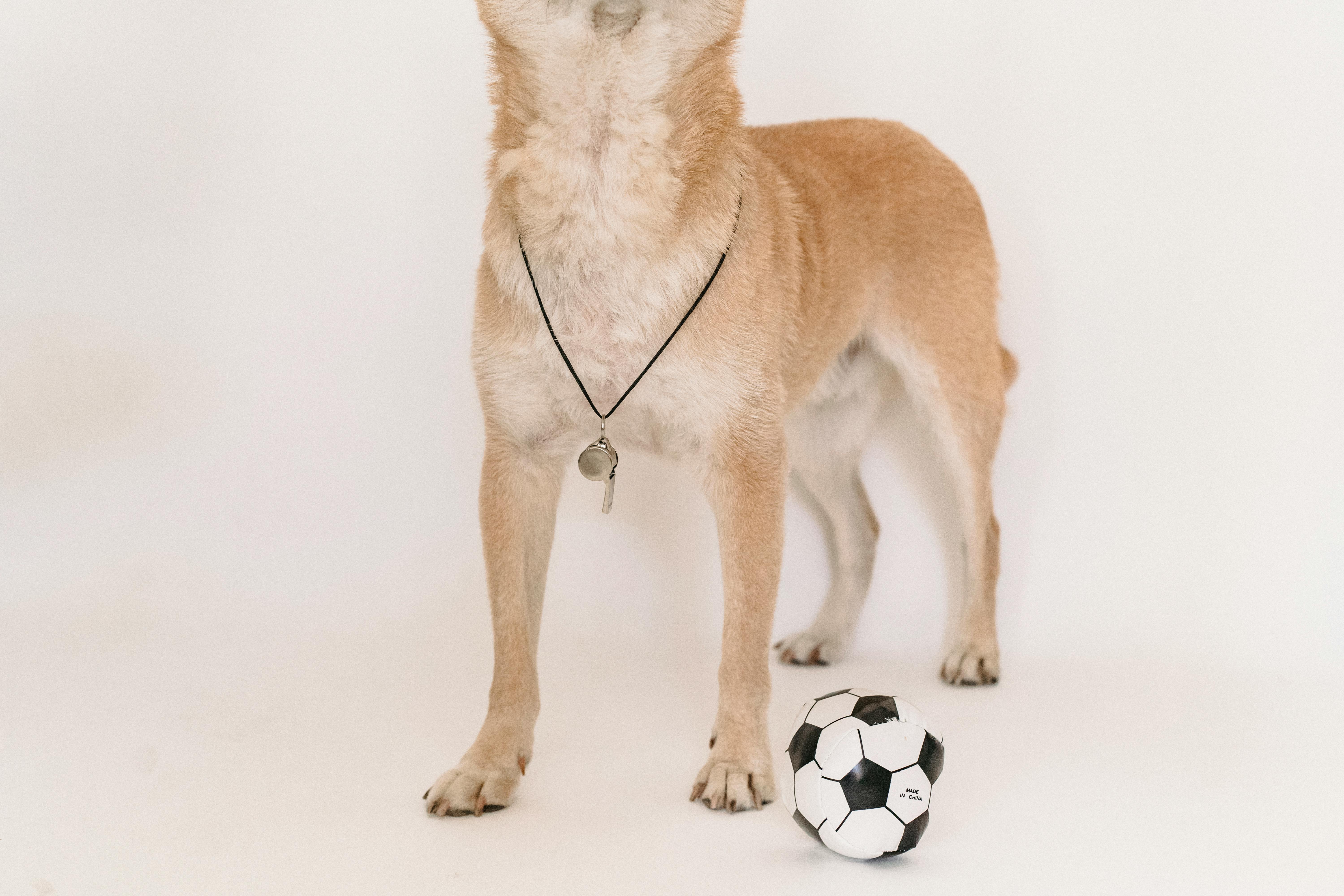
How to Teach Your Dog to Use a Dog Whistle
Training your dog can often be a challenging process, but with the right tools and techniques, it can also be highly rewarding. One such tool is the dog whistle, a device used by trainers to issue commands or get the attention of the dog at distances where voice commands may not be effective. This guide will walk you through the basics of teaching your dog how to respond to a dog whistle, enhancing your training sessions and improving communication between you and your pet.
Understanding the Dog Whistle
A dog whistle produces a sound at a frequency higher than that of the human hearing range, although there are also varieties that are audible to humans. Typically, dogs can hear these frequencies very well and from a considerable distance away. The key to using a whistle is consistency; it must be associated with specific commands or behaviours.
Step 1: Selection of the Right Whistle
Start by choosing the appropriate whistle. There are several types on the market, each with different sounds and ranges. It may take some trial and error to find one that both you and your dog respond well to. Ensure the volume is adequate for your training environment, especially if you'll be working outdoors or in noisy locations.
Step 2: Introduction to the Whistle
Introduce the whistle to your dog in a quiet, distraction-free area. Initially, the sound should be associated with positive experiences. For example, you can blow the whistle before giving your dog a treat, a meal, or beginning a favourite game. This conditioning will help your dog develop a positive association with the sound of the whistle.
Step 3: Basic Commands
Once your dog has become accustomed to the sound of the whistle, start incorporating it into basic training sessions. Decide on specific whistle commands for different actions. For instance, one blow could mean 'sit', while two blows could signal 'come'. Consistently use these patterns while training, so your dog learns to associate the sound with the command.
Step 4: Reinforcement
Reinforcement is crucial. When your dog successfully follows a whistle command, immediately reward them with a treat, praise, or a pat. This reinforces their good behaviour and solidifies their association between the whistle sound and the action required. Make sure to keep sessions short and enjoyable, and always end on a positive note to keep your dog motivated.
Step 5: Practice and Patience
Like any form of training, teaching your dog to respond to a dog whistle requires practice and patience. Incrementally increase the distance from which you issue the commands as your dog becomes more adept at responding. Practice in various locations and with different distractions present to ensure your dog reliably responds to the whistle no matter the environment.
Conclusion
Training your dog to use a dog whistle can greatly enhance your communication and effectiveness in command execution, especially over distances. It offers a consistent way to manage your dog's behaviour without relying solely on voice commands, which can be helpful in loud or extensive environments. With patience and consistent practice, your dog will be responding to your whistle commands in no time.