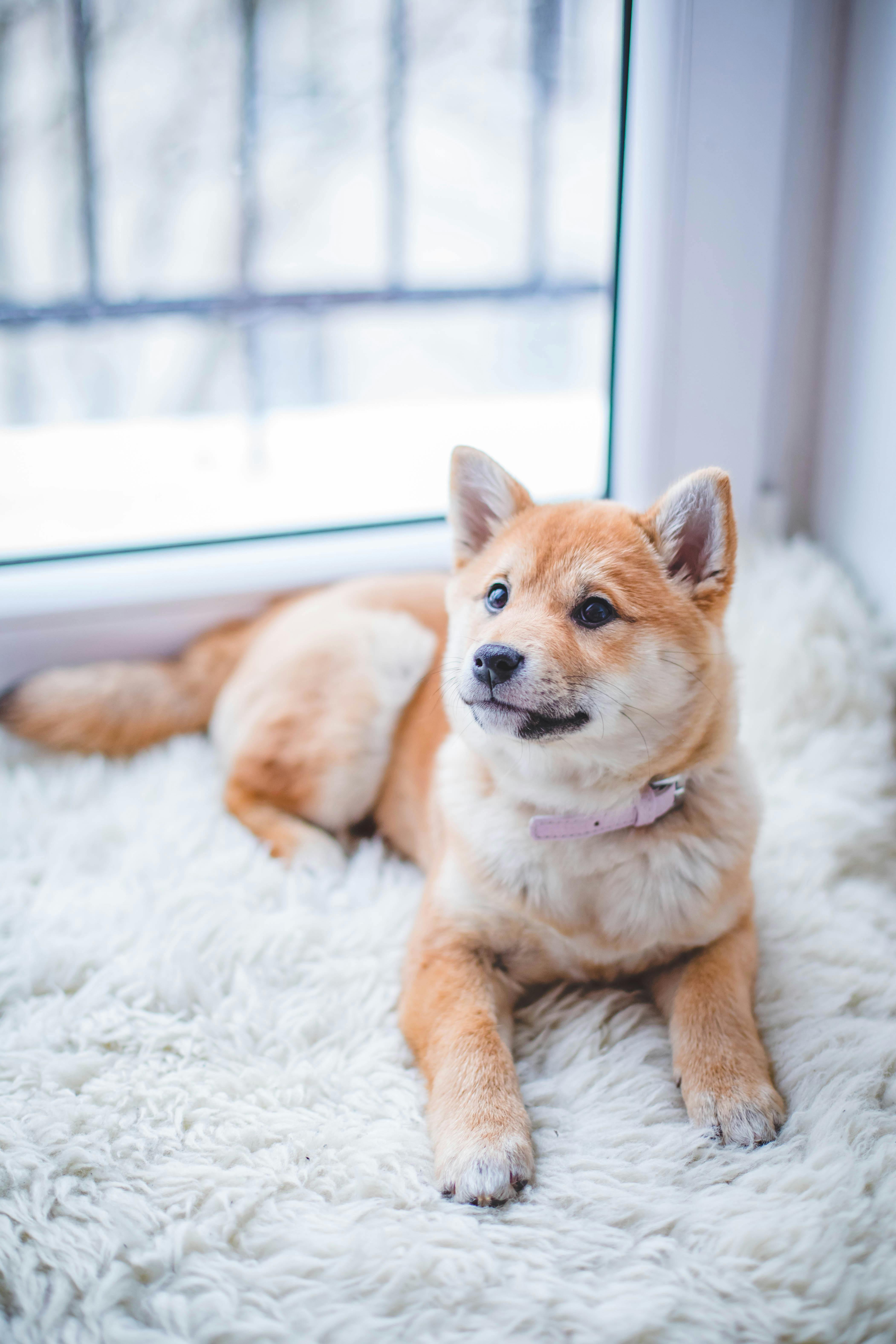
How to Train Your Dog to Be Home Alone
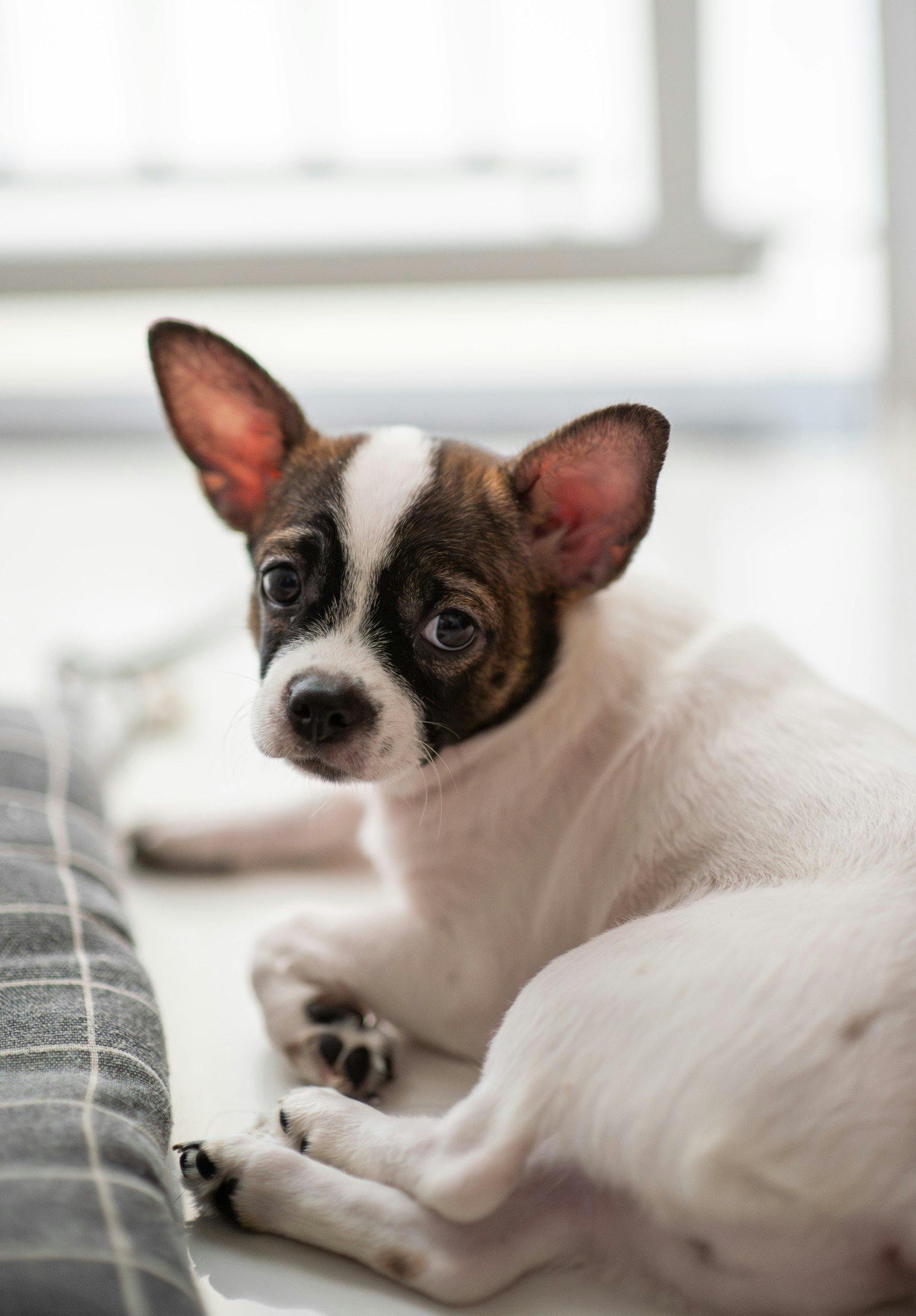
How to Train Your Dog to Be Home Alone
Leaving a dog home alone without proper preparation can lead to stress, anxiety, and destructive behaviours. Training a dog to be comfortable alone at home is essential for their well-being and your peace of mind. Here are some effective steps to prepare your furry friend for these times.
Understanding the Basics
Before you start training your dog to be alone, it's crucial to understand that patience, consistency, and gradual increase in alone time are key. Dogs are social animals, and it can be challenging for them to learn to be alone. Start training as early as possible, preferably when they are puppies.
Step 1: Create a Safe Space
Designate a specific area in your home where your dog can feel secure and relaxed. This could be a crate or a small room like the laundry room. The area should be comfortable with their bed, water, and some favourite toys. Crates are particularly effective as they mimic a den-like environment which can be soothing for dogs.
Step 2: Gradually Increase Alone Time
Start with very short intervals of leaving your dog alone in their designated space while you are still at home. You can start with as little as 5 to 10 minutes. Gradually increase the time as your dog becomes more comfortable. Always reward your dog after returning to help them associate your departure with something positive.
Step 3: Desensitization to Departure Cues
Dogs are very observant and quickly learn cues that you are about to leave, such as picking up keys or putting on a coat. Work on desensitizing your dog to these actions. Perform these actions multiple times a day without leaving to help break the association.
Step 4: Use of Calming Techniques
Consider using calming aids if your dog shows signs of anxiety. This can include calming treats, pheromone diffusers, or calming music specifically designed for dogs. These tools can help reduce stress and make your dog feel more relaxed when alone.
Step 5: Monitoring and Milestones
It's a good idea to monitor your dog's progress. You can use a pet camera to watch how your dog behaves when alone. If they remain calm, gradually increase the intervals. However, if they show signs of stress or anxiety, it may indicate that the duration was too long or the preparation was insufficient.
Remember the Importance of Exercise and Mental Stimulation
Exercising your dog before you leave can make a big difference. A tired dog is more likely to relax. Also, ensure they have enough mental stimulation during the day, such as puzzle toys or treat-filled toys, to keep their mind occupied.
Additional Tips
Be patient and never punish your dog for anxiety-driven behaviour. Instead, go back a step in your training process. Also, consider consulting a professional dog trainer or behaviourist if you encounter persistent issues.
Conclusion
Training a dog to be comfortable alone at home requires effort and time, but it is an essential part of responsible pet ownership. By following these steps, you can help ensure that your dog feels safe and secure, even when they are by themselves.