How to Train Your Dog to Be the Perfect Running Partner
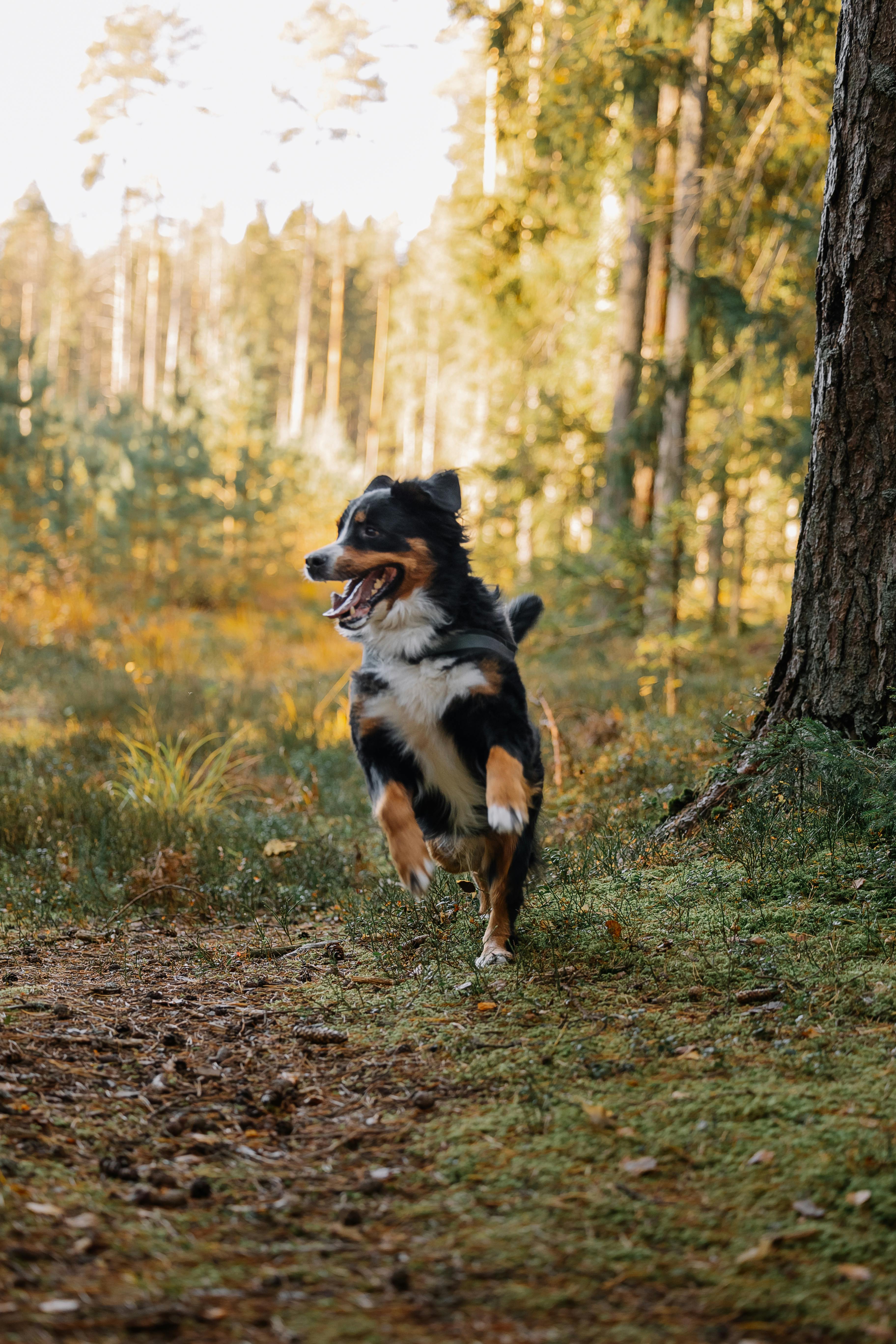
How to Train Your Dog to Be the Perfect Running Partner
Running with your dog isn't just a fantastic way to keep fit; it's also a great opportunity to bond with your furry friend. However, not all dogs naturally make good running partners. Training and patience are key to ensuring both you and your dog enjoy these runs. Here’s how you can train your dog to be the ideal companion on your jogging adventures.
Assess Your Dog's Fitness
Before you start, it’s important to consider if your dog is suited for running. Factors like breed, age, and health play significant roles. Breeds with shorter noses and those prone to breathing problems, as well as very young or old dogs, may find vigorous running challenging. Consult your vet to confirm if your dog is ready for this activity.
Start With Basic Obedience Training
Basic commands such as 'sit', 'stay', 'come', and 'heel' are crucial for a well-behaved running partner. Ensure your dog can obey these commands in various environments. Obedience training provides the foundation for safe and enjoyable runs, as it ensures your dog remains under control and does not run off or become a nuisance to others.
Introduce Running Gradually
Begin with short, slow runs and gradually increase the duration and pace. This approach helps your dog build endurance and adjust to running alongside you. Monitor your dog's condition during the run; look for signs of tiredness or discomfort. Always allow your dog to warm up with a walk and cool down afterward to avoid injuries.
Use the Right Gear
A proper leash, harness, and collar are crucial. A hands-free running leash that attaches to your waist is popular as it allows you to run without holding onto your dog’s leash, giving both you and your dog freedom while maintaining control. Make sure the gear is comfortable for your dog and doesn’t cause chafing.
Teach Commands Specific to Running
Teach your dog commands specifically for running like 'let’s go' (to start running), 'slow' (to slow down), and 'stop'. This clear communication helps your dog understand what is expected during runs and enhances safety for you both. In time, your dog will respond automatically to these cues.
Choose the Right Environment
Running on soft surfaces such as grass or dirt trails is easier on your dog’s joints than asphalt or pavement. Initially, choose quieter routes or times to practice, as this can help reduce distractions and ease your dog into running in different environments. As your dog becomes more accustomed to running, busier paths can be introduced gradually.
Keep Your Dog Hydrated and Nourished
Just like humans, dogs need to stay hydrated and may need more food based on the increase in exercise. Carry water for your dog, especially on longer runs or on hot days. Pay attention to your dog’s diet and adjust as necessary to ensure they are receiving enough energy for the increased activity.
Watch for Overexertion
Always be attuned to your dog’s condition. If they seem overly tired, slow down or take a break. Watch for signs such as excessive panting, drooling, or lagging behind. Remember, every dog has its own pace and tolerance for exercise.
Safety First
When running, both you and your dog should be visible. Use reflective gear for both you and your dog, especially in dim light conditions. Also, keep up with your dog’s flea, tick, and vaccinations as running outdoors can increase their exposure to these parasites.
Running with your dog can transform your exercise routine and strengthen your bond, but it takes preparation and training. Start slow, be patient, and soon you will have a loyal and enthusiastic running partner by your side.