How to Train Your Pet to Play with Toys
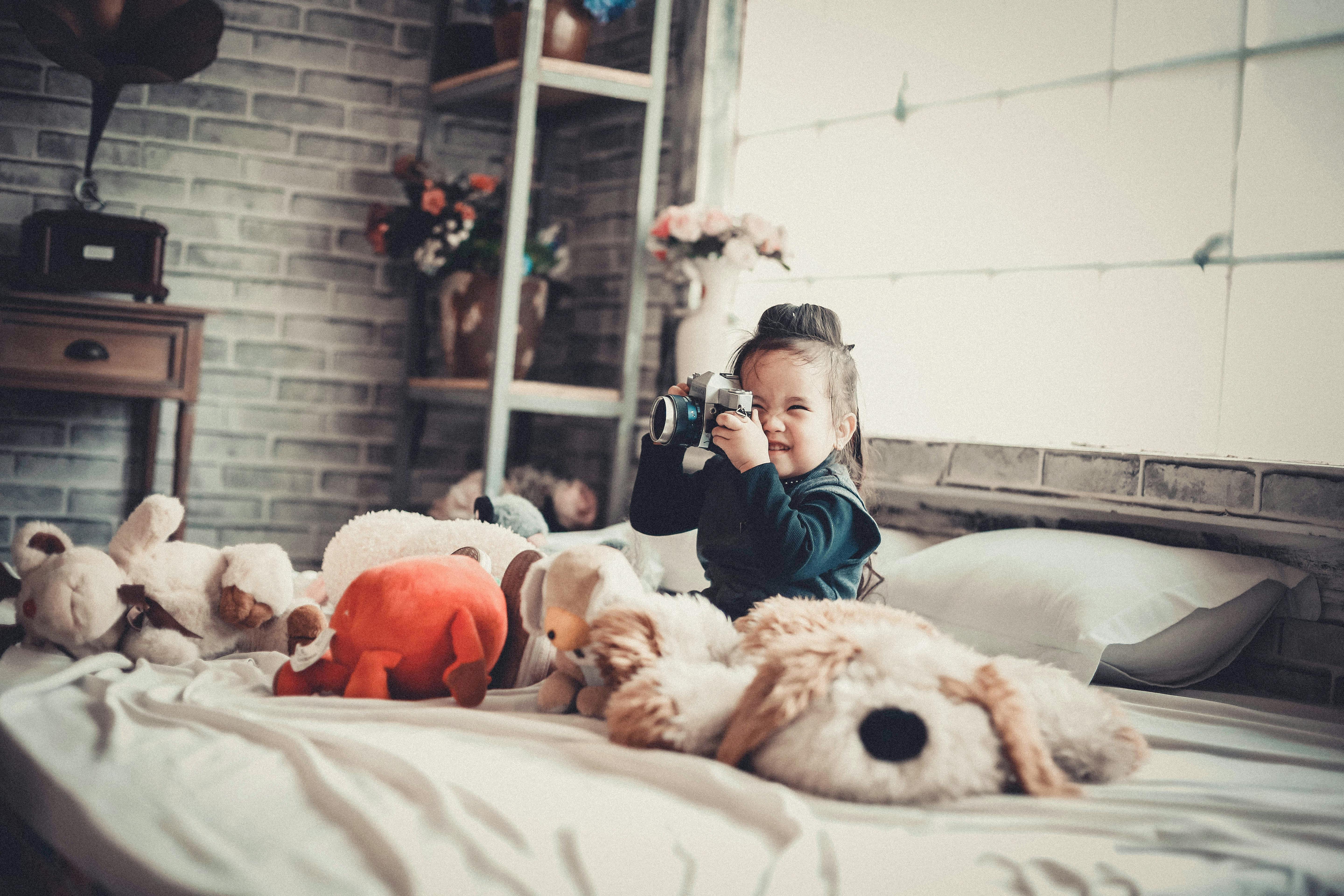
How to Train Your Pet to Play with Toys
Training your pet to engage with toys is not only vital for their physical health but also contributes to their mental stimulation and emotional well-being. Whether you have a playful puppy, a curious cat, or another type of pet, encouraging them to play with toys can prevent boredom and reduce instances of destructive behaviour. Here's a comprehensive guide on how to effectively train your pet to use toys.
Understanding the Importance of Play
Before diving into training techniques, it's crucial to understand why play is essential for your pet. Play helps to maintain your pet's physical fitness and can aid in managing their weight. It also stimulates their mind, helping to keep them mentally sharp. Additionally, toys can serve as a form of stress relief, helping to alleviate anxiety and promote a sense of security.
Choosing the Right Toys
Not all toys are suitable for every pet. The right toy should match your pet's size, activity level, and interest. For instance, a small ball that is perfect for a cat might be a choking hazard for a large dog. Likewise, toys that are too hard may damage your pet’s teeth, while those that are too soft can be torn apart easily. Experiment with different types of toys to find which ones your pet prefers and rotate them regularly to keep their interest alive.
Step-by-Step Training Guide
Step 1: Introducing the Toy
Begin by allowing your pet to investigate the new toy at their own pace. Place it near their usual play areas or where they relax. Encouragement with a soft, excited voice can help draw their interest to the toy.
Step 2: Associating the Toy with Positive Experiences
Once your pet shows interest in the toy, start associating it with positive experiences. You can do this by incorporating it into playtime or giving treats when they interact with the toy. This creates a positive connection in your pet’s mind between the toy and having fun or receiving rewards.
Step 3: Interactive Play
Engage in play with the toy together with your pet. This not only helps your pet learn how to use the toy but also strengthens your bond. For example, use a string toy to play with a cat or a tug rope with a dog.
Step 4: Encouraging Independent Play
Once your pet gets the hang of the toy, encourage them to play with it independently. This can be achieved by praising them when they choose to play with the toy without any prompt from you. Over time, your pet will start to play with the toy on their own, relying on it for entertainment.
Monitoring Playtime
Always monitor your pet during playtime to ensure they are safe and not ingesting parts of the toys. Regularly inspect toys for any damage and replace them if necessary to avoid any risks of choking or other injuries.
Maintaining Interest
Keep your pet’s interest in toys by occasionally introducing new toys and phasing out old ones. This will keep the play exciting and engaging. Also, rotating the toys can prevent boredom and keep your pet looking forward to playtime.
With patience and consistent training, your pet will come to love their toys, providing them with endless hours of fun and enjoyment. The benefits of playing with toys extend beyond simple amusement; they contribute significantly to your pet's overall quality of life.