How to Train Your Pet to Stay Calm at the Vet
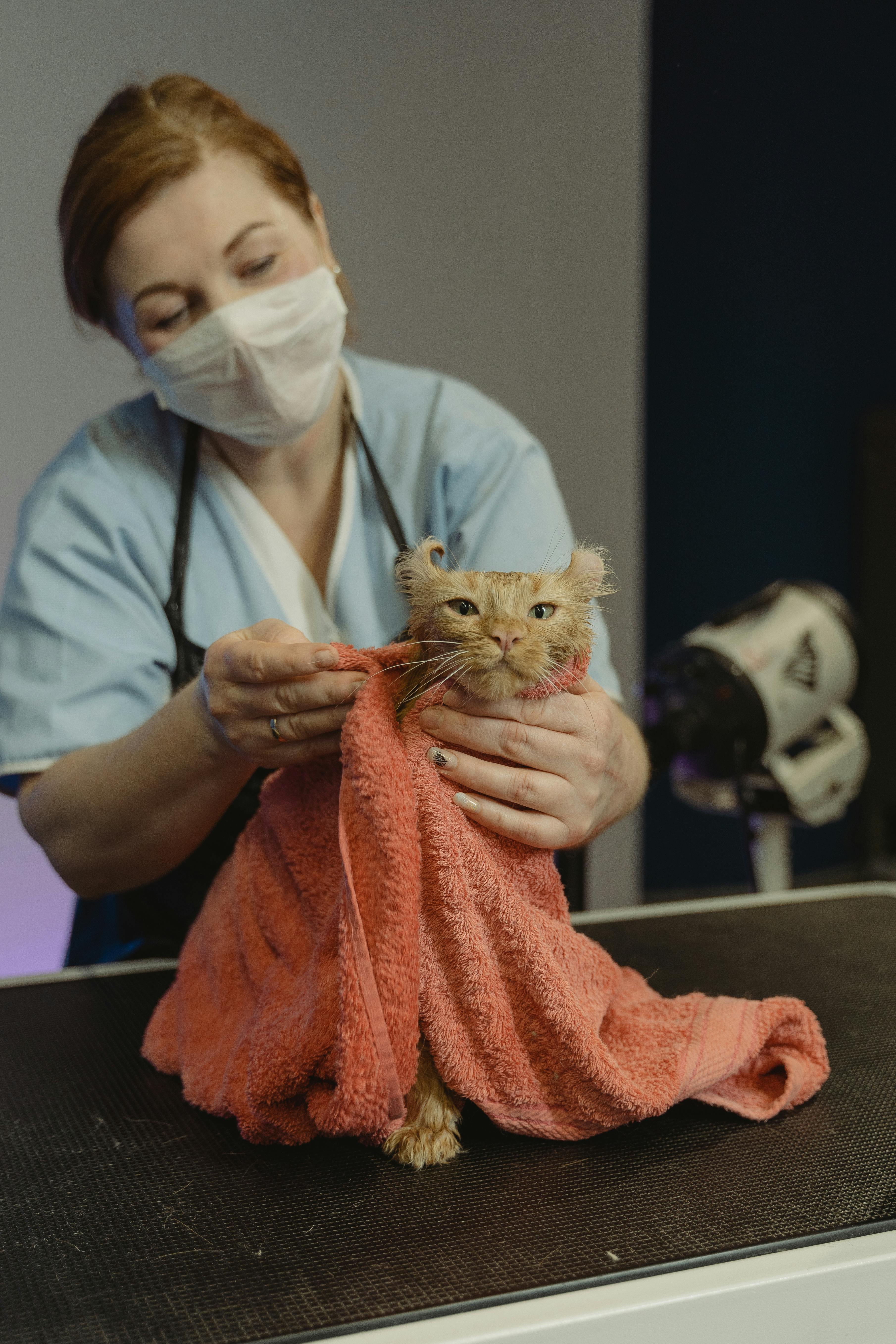
How to Train Your Pet to Stay Calm at the Vet
Visiting the vet can be a stressful experience for both pets and their owners. The unfamiliar environment, strange sounds, and the presence of other animals can make even the most laid-back pet anxious. However, with proper training and preparation, you can help your pet stay calm during veterinary visits. Here's your guide to making vet visits a less stressful experience for your furry friend.
Start with Positive Association
The key to success is starting early and using positive reinforcement. Begin by taking your pet to the vet for non-treatment visits. This could be something as simple as stopping by to weigh your pet or just to say hello to the staff. Reward your pet with treats and affection to create a positive association with the vet’s office.
Desensitization and Counterconditioning
Desensitization involves exposing your pet gradually to the vet environment to decrease its reactionary behavior over time. Start by waiting in the parking lot, then the waiting room, and finally the examination room, all without actually seeing the vet. Use treats and praise to help your pet associate these areas with positive experiences.
Counterconditioning is useful for changing your pet's emotional response. Introduce something your pet loves, like a favorite toy or treat, during stressful parts of the visit, such as during examinations or while waiting.
Practice Handling at Home
Many pets dislike the physical handling during a vet examination. You can mimic this at home to make them more comfortable with being touched. Practice by running your hands along your pet’s body, lifting paws, and gently holding them in the positions they might experience at the vet. Always reward calm behavior with treats and praise.
Use of Calming Techniques
Consider using calming supplements or pheromone sprays before a visit if your pet gets extremely anxious. Additionally, bring items from home like a favorite blanket or toy to make the vet’s office feel more familiar and comforting.
Training your pet to be calm on a specific command can also be very helpful. Commands like 'sit' or 'stay' can be reinforced with treats and used during vet visits to maintain calmness.
Choosing the Right Veterinarian
Not all veterinarians are the same, and finding one that both you and your pet feel comfortable with can make a significant difference. Look for a vet who uses a calming approach, takes time to let your pet settle, and listens to your concerns as a pet owner.
What to Avoid
Avoid punishing your pet for anxious behavior at the vet, as this could increase their stress. It’s important to remain calm and supportive, as pets often pick up on their owner’s emotions.
Be Patient and Consistent
Pets learn at different rates, so it’s important to be patient and consistent with any training method you choose. Some pets might require repeating these practises many times before they begin to stay calm at the vet.
Training your pet to be calm at the vet is crucial for their health, as it makes regular check-ups and necessary treatments less traumatic for all involved. With these tips, you can help ensure that vet visits are a more manageable experience for both you and your pet.