How to Train Your Pet to Use a Transport Crate
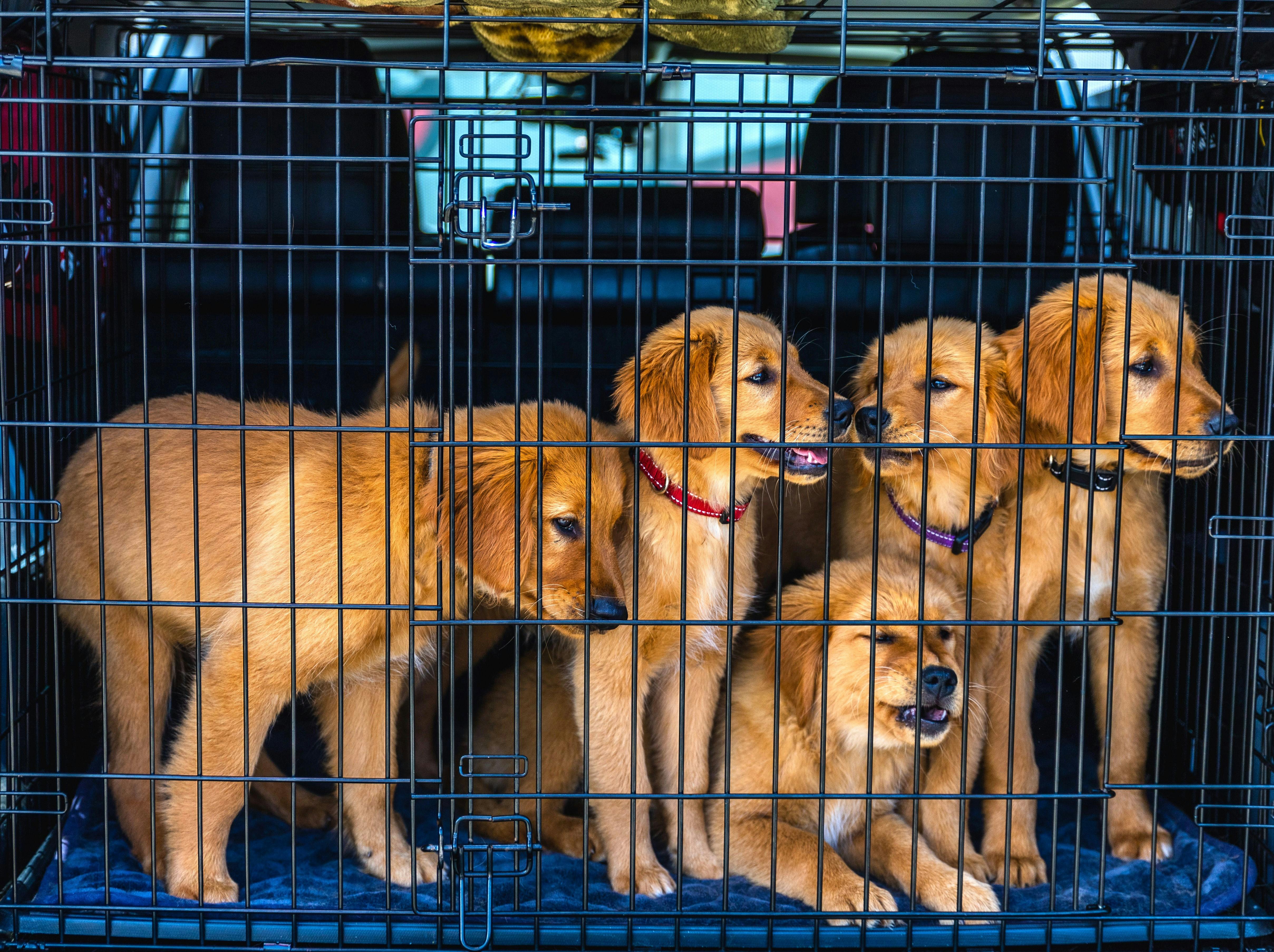
How to Train Your Pet to Use a Transport Crate
Training your pet to comfortably use a transport crate is essential for safe and stress-free travel, whether it's a trip to the vet or a long journey. A well-trained pet can significantly ease the challenges of traveling. Here's a comprehensive guide on how to achieve this task effectively.
Understanding the Importance of Crate Training
Crate training is vital for several reasons. Firstly, it ensures the safety of both your pet and passengers during travel. Secondly, a crate provides a cosy, secure den that your pet can retreat to whenever they feel overwhelmed or tired. Additionally, having a crate-trained pet simplifies accommodations during vacations and emergencies.
Choosing the Right Crate
Before you begin training, having the right crate is crucial. Choose a crate that is large enough for your pet to stand, turn around, and lie down comfortably, but cozy enough to provide a sense of security. Ensure it's sturdy, well-ventilated, and appropriate for your pet's size and weight.
Introducing Your Pet to the Crate
Start by placing the crate in a common area where your pet spends a lot of time. Keep the door open and make the inside inviting with a soft bed and favorite toys. Encourage your pet to explore the crate by placing treats and meals inside. Initially, let your pet come and go as they please to foster a positive association.
Incremental Training
Begin by feeding your pet their regular meals near the crate, gradually moving the food bowl inside the crate. As your pet becomes more comfortable, start closing the door while they eat, first for a few minutes, then for longer periods post-meal. Always observe their response and progress at their pace, offering treats and praises to reinforce positive behaviour.
Extending Crate Time
Once your pet eats comfortably in the crate with the door closed, start asking them to stay in the crate for short periods. Gradually lengthen the duration, always returning before they become anxious. From here, you can start incorporating crate time into their routine, using cue words like "crate time", followed by a treat and praise. Make sure you give them plenty of exercise before crating, especially if they will be confined for a while.
Dealing with Anxiety
If your pet shows signs of anxiety, like whining or scratching at the door, it's important to take steps back in training. Never open the crate while they are distressed, as this can teach them that distress is a way to escape. Instead, wait for a moment of silence before letting them out. With time and patience, your pet should begin to view the crate as a safe space.
Training Tips
To reinforce positive crate experiences, try wrapping a piece of clothing that smells like you around the bedding inside the crate. This can help soothe your pet. Additionally, placing the crate in your bedroom during the night can help them feel less isolated.
Remember, every pet is different. What works for one might not work for another, so adjust your approach as needed and be patient. With consistent training and a lot of love, your pet will learn to appreciate their crate as a personal sanctuary, making travel smoother for everyone.