Signs Your Dog May Be Suffering From Allergies
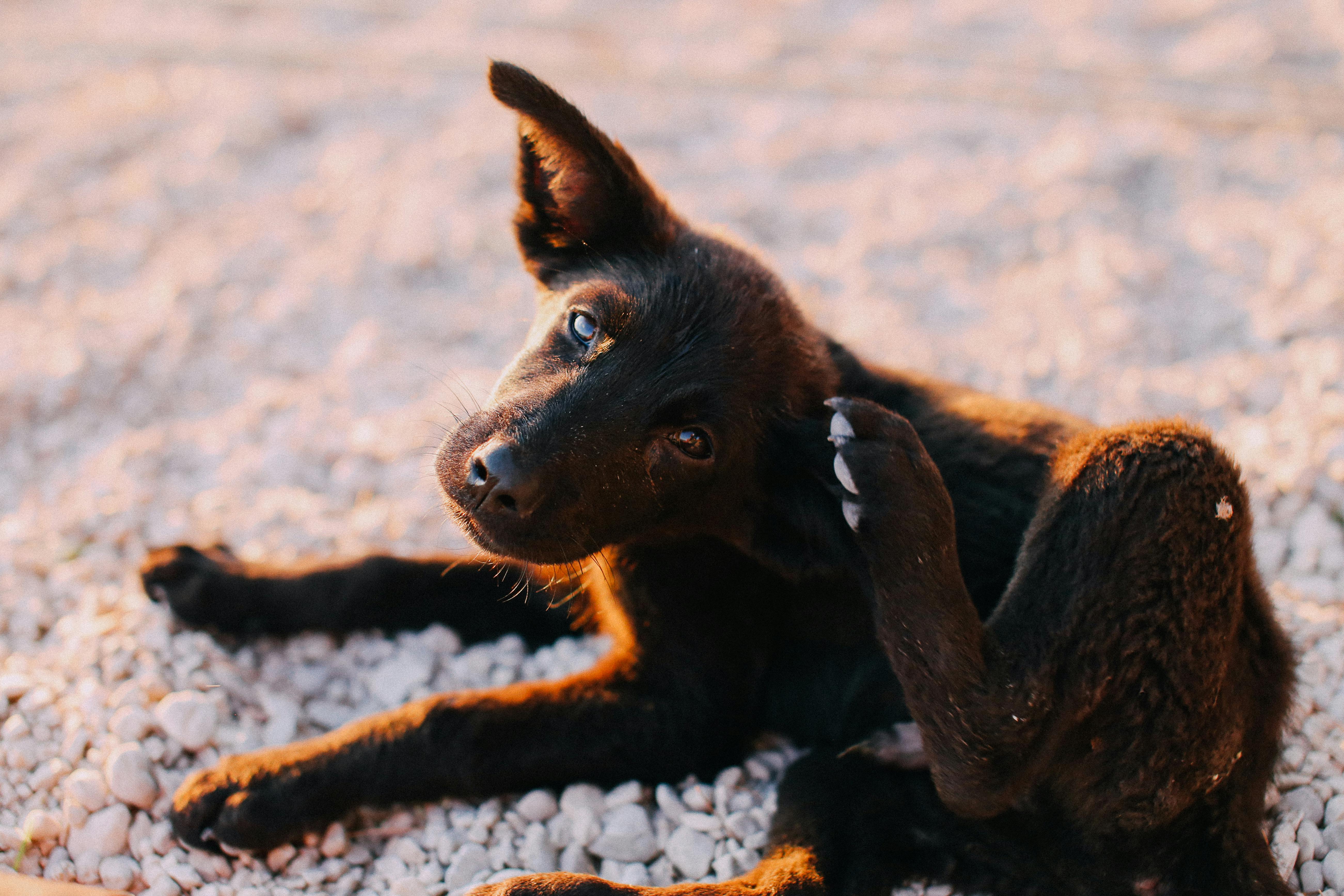
Signs Your Dog May Be Suffering From Allergies
Just like humans, dogs can suffer from allergies. These can be caused by a variety of factors, including environmental triggers, foods, and seasonal changes. Recognising the signs of allergies in your dog is crucial for their comfort and health. Here, we discuss common symptoms that might indicate your dog has allergies, so you can seek appropriate veterinary care.
Common Allergens Affecting dogs
Allergies in dogs can be triggered by various substances. Common environmental allergens include pollen, mold, and dust mites. Food allergies may involve proteins in beef, chicken, dairy, or wheat. Some dogs react to flea bites, even from a single flea, due to an allergy to flea saliva.
Symptoms of Allergies in Dogs
Skin Irritations
One of the most obvious signs of allergies in dogs is skin irritation. Dogs with allergies might scratch excessively, leading to redness, sores, and bald patches. Hot spots — areas of particularly inflamed, infected skin — can also develop. Additionally, some dogs may suffer from chronic ear infections as a result of their allergies.
Respiratory Symptoms
Not as common as skin issues, some dogs exhibit respiratory symptoms related to allergies. If your dog is sneezing, coughing, or has a runny nose, particularly when the seasons change, they may be reacting to airborne allergens like pollen.
Digestive Problems
Dogs with food allergies often experience digestive disturbances. This can include vomiting, diarrhoea, or a gurgling stomach. If you notice these symptoms are recurring and seem related to meals, consider discussing food allergies with your veterinarian.
Diagnosing and Treating Allergies in Dogs
Diagnosing allergies in dogs usually starts with a thorough medical history and physical examination. Vets may recommend elimination diets to rule out food allergies, or skin and blood tests for diagnosing environmental allergies. Treatment often involves avoiding the allergen as much as possible. For environmental allergies, regular bathing might help remove allergens from the fur. Medications like antihistamines or steroids, and treatments like allergen-specific immunotherapy (also known as allergy shots), can be very effective depending on the type of allergy and the individual dog.
It's essential to act quickly if you suspect your dog has allergies. Long-term exposure to allergens can lead to more severe health issues like secondary skin infections and a significant decrease in your pet's quality of life. Early intervention can lead to a quicker resolution, easing discomfort and preventing more serious conditions.
Prevention and Management
Managing your dog's environment can help prevent allergic reactions. Regular cleaning to reduce dust, dander, and mites, using hypoallergenic bedding, and controlling pests like fleas can make a big difference. When it comes to food allergies, feeding a diet formulated to avoid common allergens can help keep symptoms at bay.
Understanding the signs of allergies in your dog is the first step towards relieving their discomfort. With careful observation and the right care, allergic reactions can be managed effectively, ensuring your dog remains healthy and happy.