Solutions to Reduce Pet Noise in Your Home
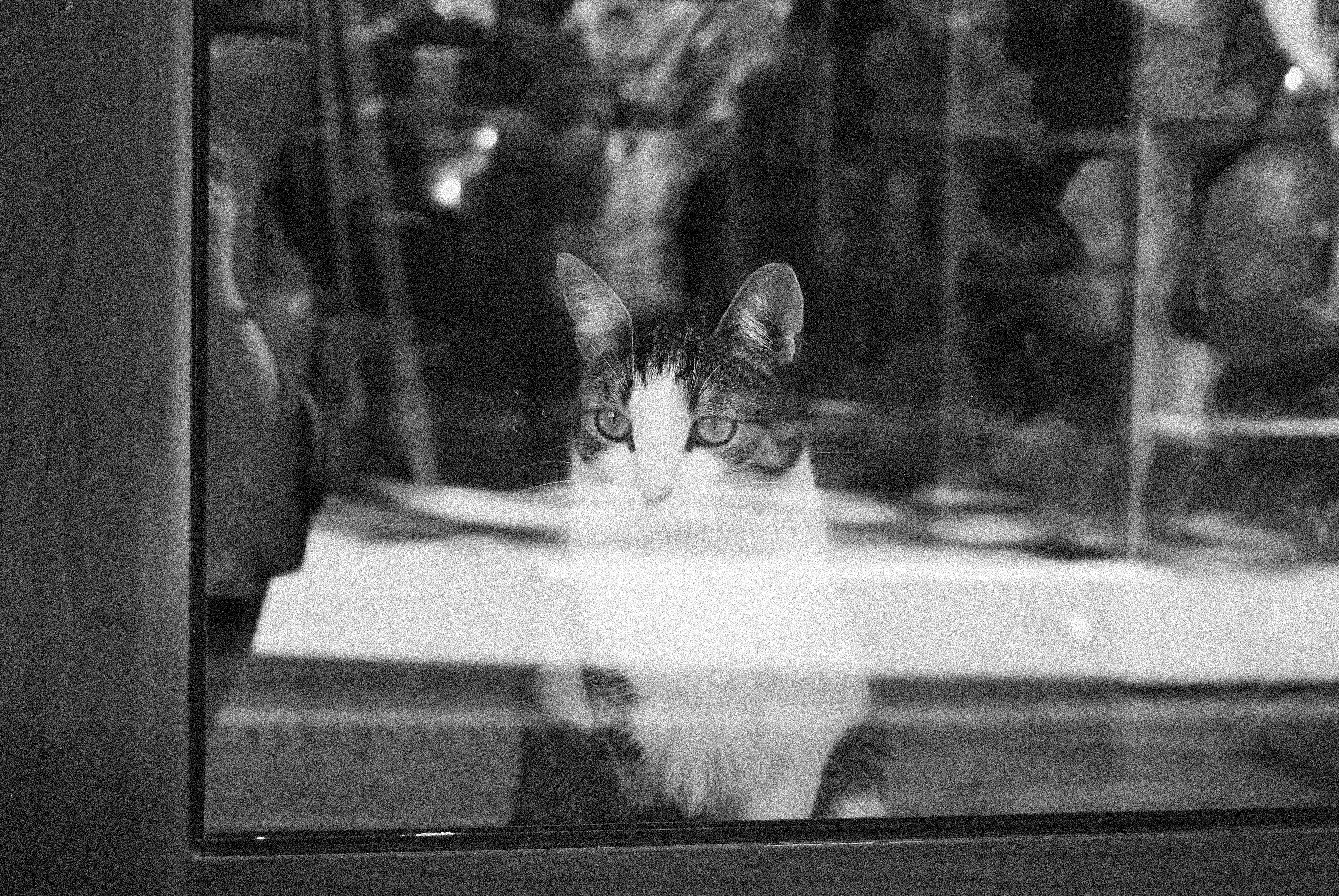
Solutions to Reduce Pet Noise in Your Home
Living with a pet can bring undeniable joy to your life, but it can also introduce a fair amount of noise. Whether it's the incessant barking of your dog or the persistent meowing of your cat, pet-related noise can be a concern, especially in close living arrangements like apartments. Fortunately, a variety of products and solutions can help mitigate this noise, making life quieter for both pet owners and their neighbors.
Anti-Barking Devices
Barking is a common issue among dog owners. While training should be the first approach, anti-barking devices serve as an excellent supplementary tool. These devices work by emitting a sound that is only audible to dogs when they bark excessively. The sound distracts them from barking and can condition them to reduce this behavior over time. Masks that emit gentle, calming scents can also be used to relax dogs and reduce their urge to bark.
Soundproofing Pet Zones
Designating a specific area in your home for your pet and soundproofing it can significantly reduce the noise they make. This can involve using sound-absorbent panels or specially designed pet houses that minimize the sound that escapes. For a cost-effective solution, consider placing thick blankets over your pet's crate or using room dividers that can also absorb sound.
Puzzle Toys and Busy Balls
Calming Supplements and Treats
Several non-prescription supplements and treats can help soothe your pet and reduce anxiety-driven noise. Ingredients like melatonin, chamomile, and L-theanine are known to have calming effects on pets. Always consult with a veterinarian before introducing any new supplements to your pet's diet.
Behavioral Training and Professional Help
While gadgets and soundproofing can provide temporary relief, behavioral training is a more permanent solution to pet noise. Professional pet trainers can offer personalized guidance based on your pet's specific needs. In some cases, behavioral issues linked to noise can be a sign of deeper psychological or medical issues, necessitating a visit to a veterinarian or a pet behaviorist.
Conclusion
While pets are a source of companionship and joy, managing their noise can be a challenge. Thankfully, with the right products and strategies, it is possible to significantly reduce pet noise in your home. Whether you opt for anti-barking devices, soundproofing solutions, engaging toys, or professional training, each can contribute to a more peaceful living environment.